Attic air sealing in Bakersfield CA - a ceiling that keeps your air in the house
Hot upstairs rooms and a power bill that keeps climbing usually mean gaps in the ceiling. We find them and close them.
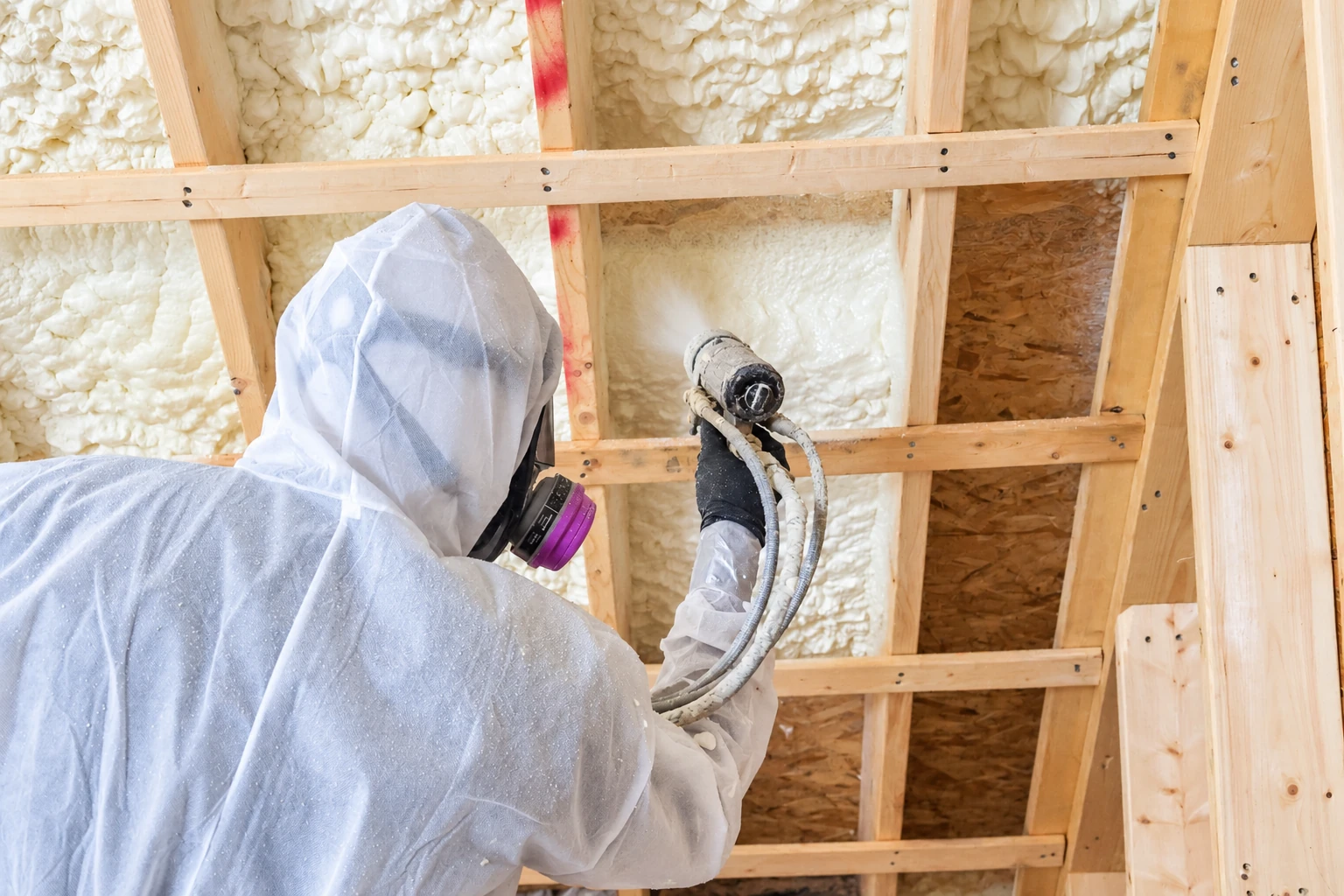
Why won't my upstairs stay cool even with the AC running?
Attic air sealing in Bakersfield closes the gaps between your living space and the attic, like the openings in the ceiling drywall around flue pipes and chimneys, so the air you pay to cool or heat stays in the house and hot, dusty attic air stays out.
Most calls start with a room over the garage that never feels right or a bill that keeps going up, and the fix usually starts with the holes, not with more attic insulation. The price turns on how many big gaps your attic has, how easy it is to move around up there, and whether something has to be fixed before we seal, like wet insulation, bad venting or old wiring. That same repair work sets the schedule, along with any permit, which I check for your address before we start. I'll point a flashlight at what I find, and the estimate tells you what I'd seal, what needs fixing first and what it costs.
What happens after you call us about attic air sealing?
Call or send a request
Call (661) 377-0037 or use the form, and we'll set a time for me to come out. We answer every day from 8 AM to 9 PM, so evenings and weekends work too.
I go up and look
I do the estimate myself, which means going up in the attic and, if it helps, under the house to see where the air is getting through. You get what I found, what I'd fix first and a price for the work, so you know the cost before anyone starts.
Permit and repairs come first
If you go ahead, I check whether your address falls under the city or the county, and if the job needs a permit, we handle the paperwork and the inspection. The city's permit office keeps weekday hours, 8 a.m. to 4:45 p.m. except holidays, so that part moves on its schedule while we take care of prep and any repairs.
We seal, then I check
Our installers do the sealing, big holes first and small ones after. I look the attic over before we leave, because a missed gap behind a kneewall is easy to hide and annoying to find later.
How we do attic air sealing
I start by looking for anything that shouldn't get sealed over, because wet insulation from a roof leak, moldy or rotted framing, a bath fan blowing moist air into the attic, too little venting or old knob and tube wiring all get fixed first. If the old fill is gray, flaky and about the size of a pea, it may be vermiculite, which can contain asbestos, so it stays undisturbed until a lab tests it. Then our installers go after the big holes, where the tops of walls meet the attic floor, at dropped soffits, the boxed-down ceiling over cabinets or a hallway, behind and under kneewalls, the short walls in rooms tucked under the roof, and in the shafts around flues and chimneys. The gap between a flue and its metal flashing takes high-temperature caulk, not spray foam, and that's a fair thing to ask any crew about. The small gaps come last, around can lights, pipes and the attic hatch, so the insulation on top isn't fighting a draft.
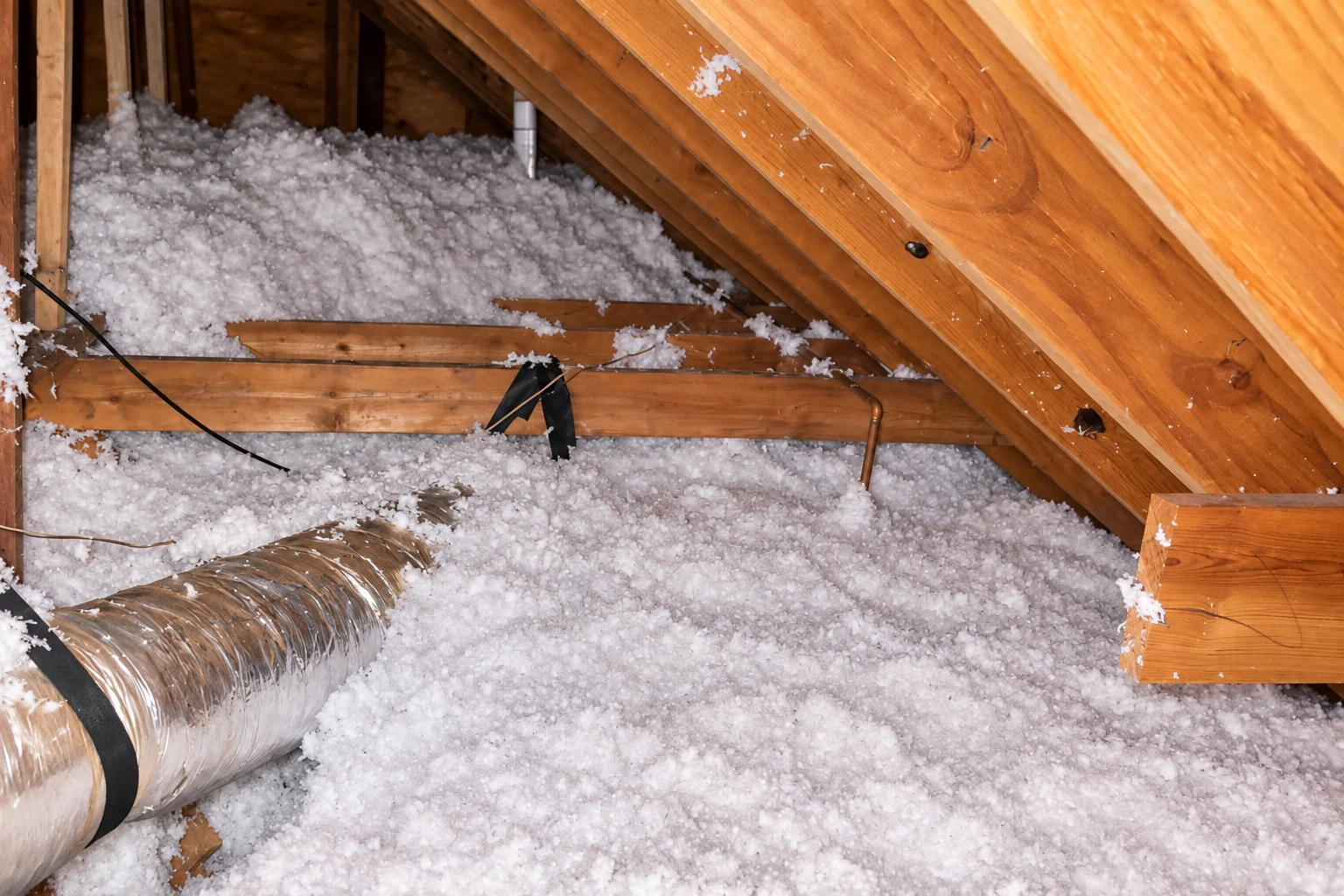
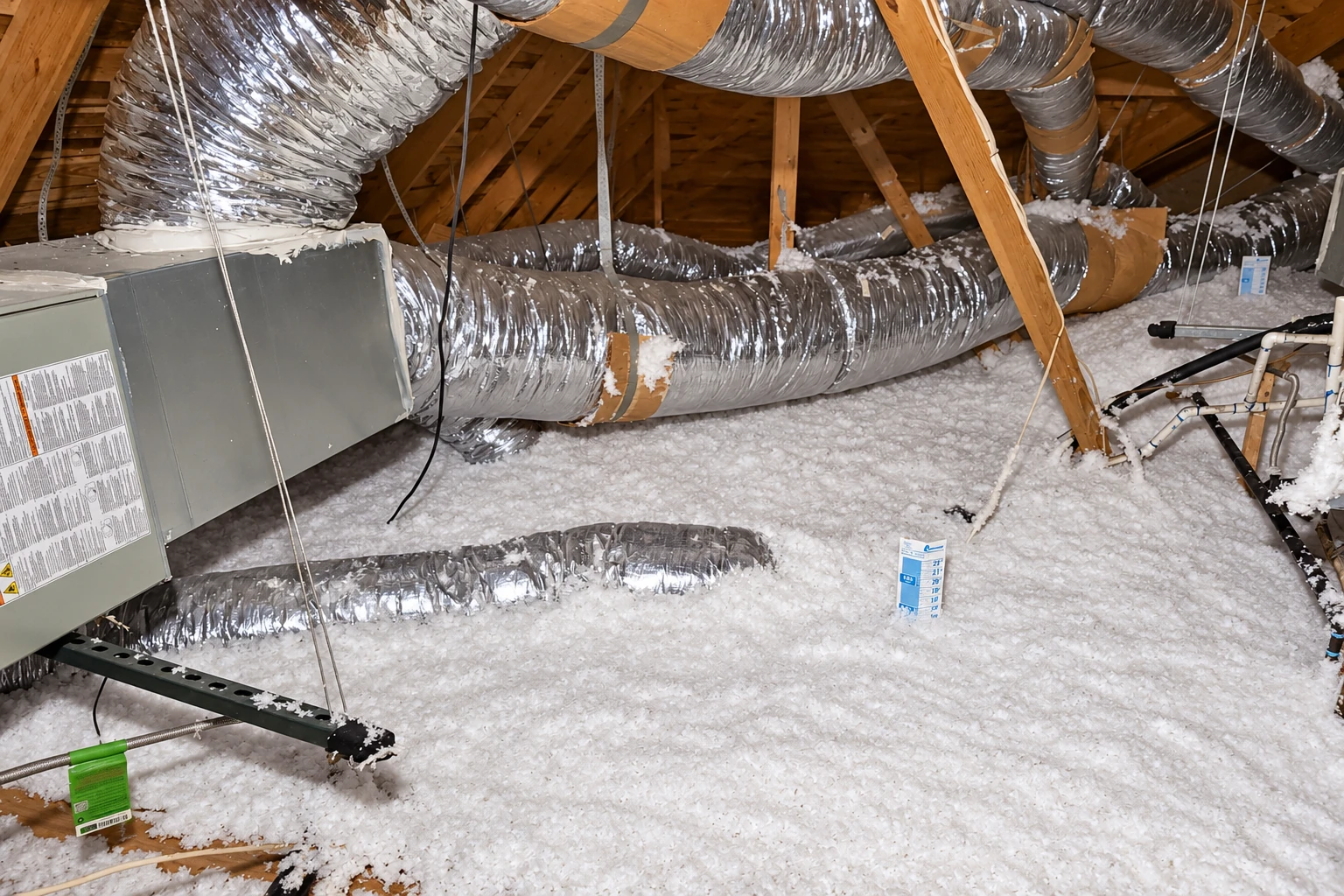
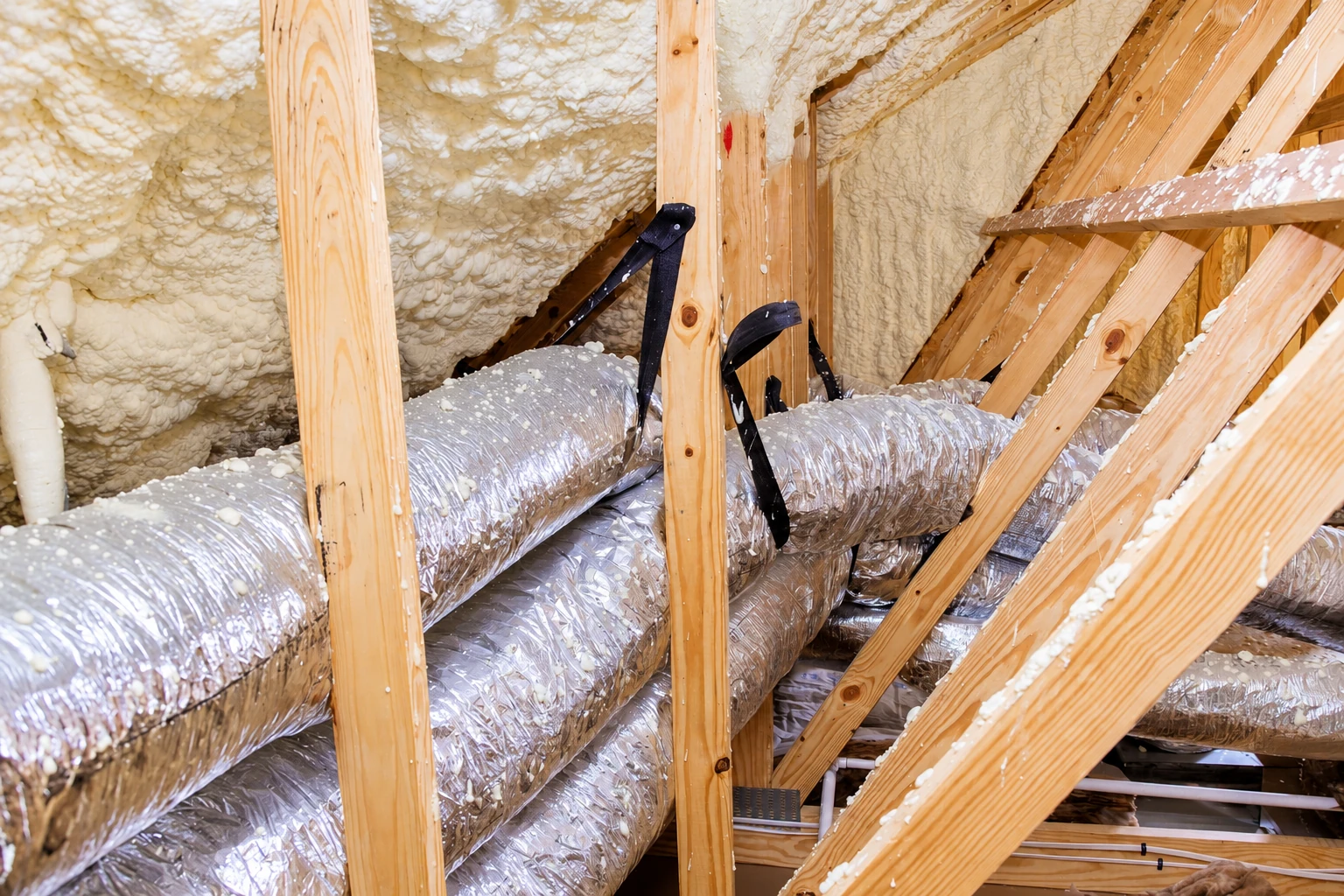
Insulation is good at a lot of things, but stopping air isn't one of them, so most attics we see do best with sealing first and then a top-up of loose fill through retrofit insulation, keeping it even out to the edges and clear of the eave vents. Foam costs more, and I'd only steer you to spray foam insulation when your ductwork runs through the attic, because then sealing and insulating at the roofline in one step puts those ducts inside the part of the house you're cooling.
Get your attic checked and a sealing estimate
We reply within one business day to set a time. I come out, go up in the attic and show you what I found and what I'd do, with a free estimate at your home and no obligation. Satisfaction guaranteed.
Attic sealing questions from Bakersfield homeowners
What is the best order for sealing and insulating an attic?
Seal first, then insulate. Federal energy guidance puts gas appliance safety and indoor ventilation first, attic venting next, and air sealing before insulation to get the most savings, because blown cellulose and blown or batt fiberglass slow heat but don't stop air moving. If you're planning new insulation, we schedule the sealing ahead of it.
Is it safe to air seal my attic if I have a gas furnace or water heater?
Usually, as long as the appliances get checked. Tightening a house can sometimes make a naturally venting gas or oil appliance pull its exhaust back into the house, so federal energy guidance suggests having a Home Performance Contractor test them before and after sealing. That's why I look at anything that burns gas before we tighten a house up.
How do I get a building permit for attic work in Bakersfield?
City of Bakersfield permits are applied for and tracked online through the city's Clariti Customer Portal, and the Development Services Department takes payment for permits and inspections, all on the city's building permits page. We work across Bakersfield and the cities around it in Kern County, so I first check whether your address falls under the city or the county. If your job needs a permit, we handle the paperwork and the inspection.
Can an unlicensed handyman air seal my attic in California?
Only on small jobs. California lets an unlicensed person take work up to $1,000, and only when the job needs no permit and they have no one working for them on it. We're licensed and fully insured, and if insulation is going in alongside the sealing, it's fair to ask any crew whether they hold the state's insulation and acoustical license.
How much does attic air sealing cost in Bakersfield?
The cost comes from what's in your attic, so the estimate after I've been up there is the number to go by. A tight, low attic takes longer to work in than one you can nearly stand up in, and repairs that have to come first, like a roof leak or a fan venting into the attic, add to it. Sealing only the big holes costs less than chasing every pinhole, and the big holes are where most of the value is.
Will sealing my attic trap bad air inside my house?
It can if nothing else changes, so it gets planned for. Sealing may hold in things like carbon monoxide, radon and VOCs, the chemicals some household products give off, and the fix may mean an added ventilation fan or repairing whatever is putting them out. If I see a reason for a fan, I'll tell you at the estimate.
Work that often goes with attic sealing
Retrofit insulation
Once the leaks are closed, adding insulation to the house you already have keeps the heat on the right side of the ceiling.
Spray foam insulation
When your ducts run through the attic, foam at the roofline seals and insulates in one pass and pulls those ducts into the cooled space.
Get your attic checked before you seal
Call (661) 377-0037 or send the form, and tell us how to reach the attic, what in the house burns gas and any roof or vent trouble you know about, so one visit covers it all.