
Basement insulation in Bakersfield CA - a dry wall first, then a comfortable room
Basement room that won't stay comfortable, or walls that feel damp? We handle the moisture first, then insulate so the room is worth using.
What does basement insulation in Bakersfield involve?
Basement insulation in Bakersfield means adding insulation to the inside of your basement walls, since getting at the outside of the foundation usually isn't practical once a house is built. Done in the right order, it makes a basement room easier to keep comfortable and quieter to be in, without burying a moisture problem behind the wall.
Most people who call about a basement have a room that's cold underfoot, smells a little musty or just never gets used. Two things set the price: the size of the basement and the kind of insulation that fits, with foam at the higher end because it seals air while it insulates. The schedule mostly turns on what has to happen first, like drying out a damp wall or settling a permit, and the estimate gives you the method, the prep and the cost for your house. If what's under your floor is a crawl space and not a basement, that's a different job, and our crawl space insulation page covers it.
What happens after you call about your basement?
Tell us about the basement
Call (661) 377-0037 or send the form, and mention the basement's size, whether the walls are bare or finished, any damp spots, and whether a water heater or furnace lives down there. We're based in Bakersfield and work across the city and the cities around it in Kern County.
I come out and look
I do every estimate myself, and after years on heating and cooling calls before I started this business in 2020, the water heater and furnace are the first things I check. Then I show you what I found on the walls, what I'd use and why, what needs fixing first, and what the job costs.
Permit and prep come first
If you go ahead, we settle the permit question before anything else, and the city's permit office takes applications and inspections Monday through Friday, 8 a.m. to 4:45 p.m., so any inspection lands on a weekday. Moisture repairs and prep come next, because insulation doesn't go up until the walls are ready for it.
Install, then my walkthrough
Our installers do the work and clean up after themselves. I go over every wall before we call it done.
How we do basement insulation
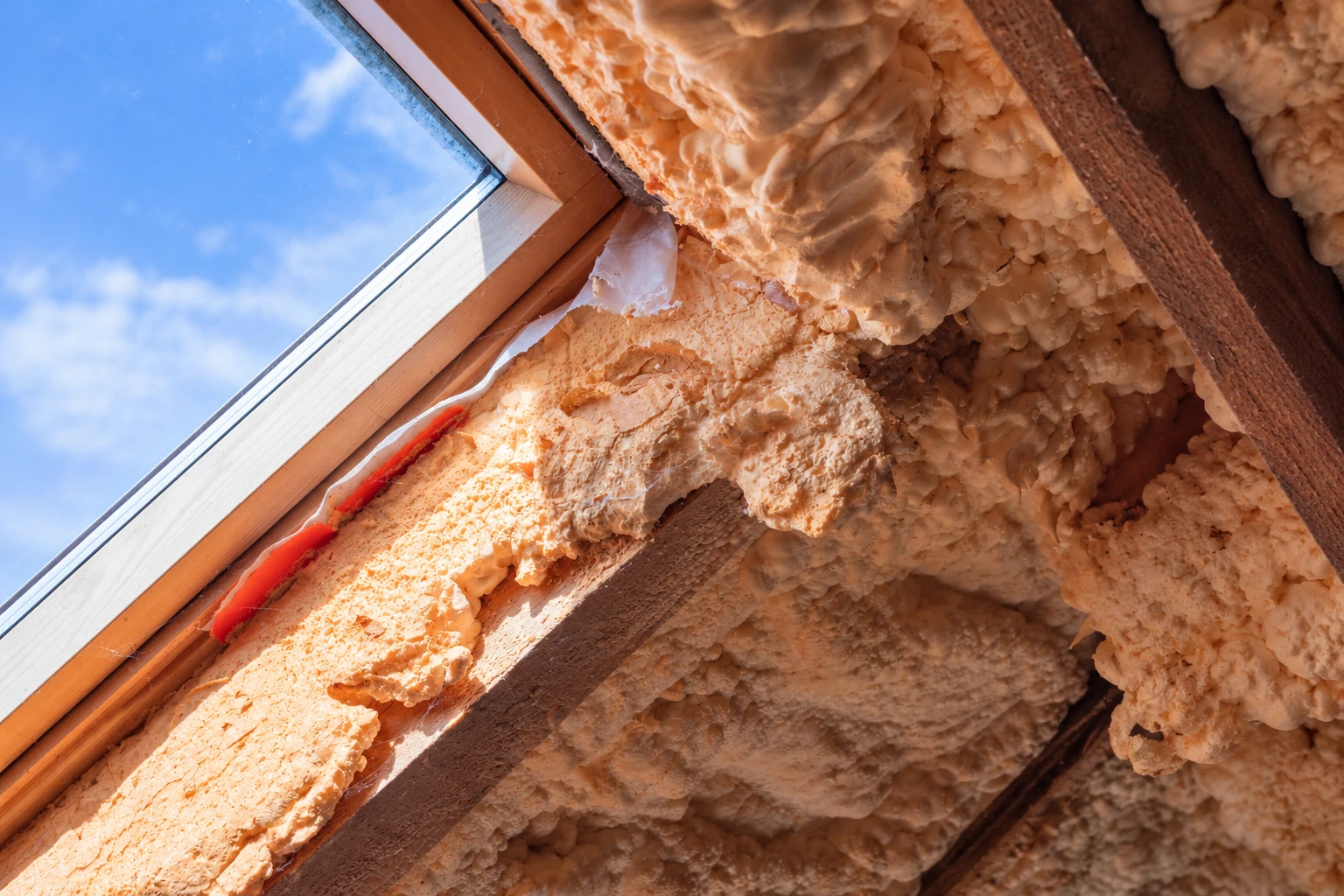
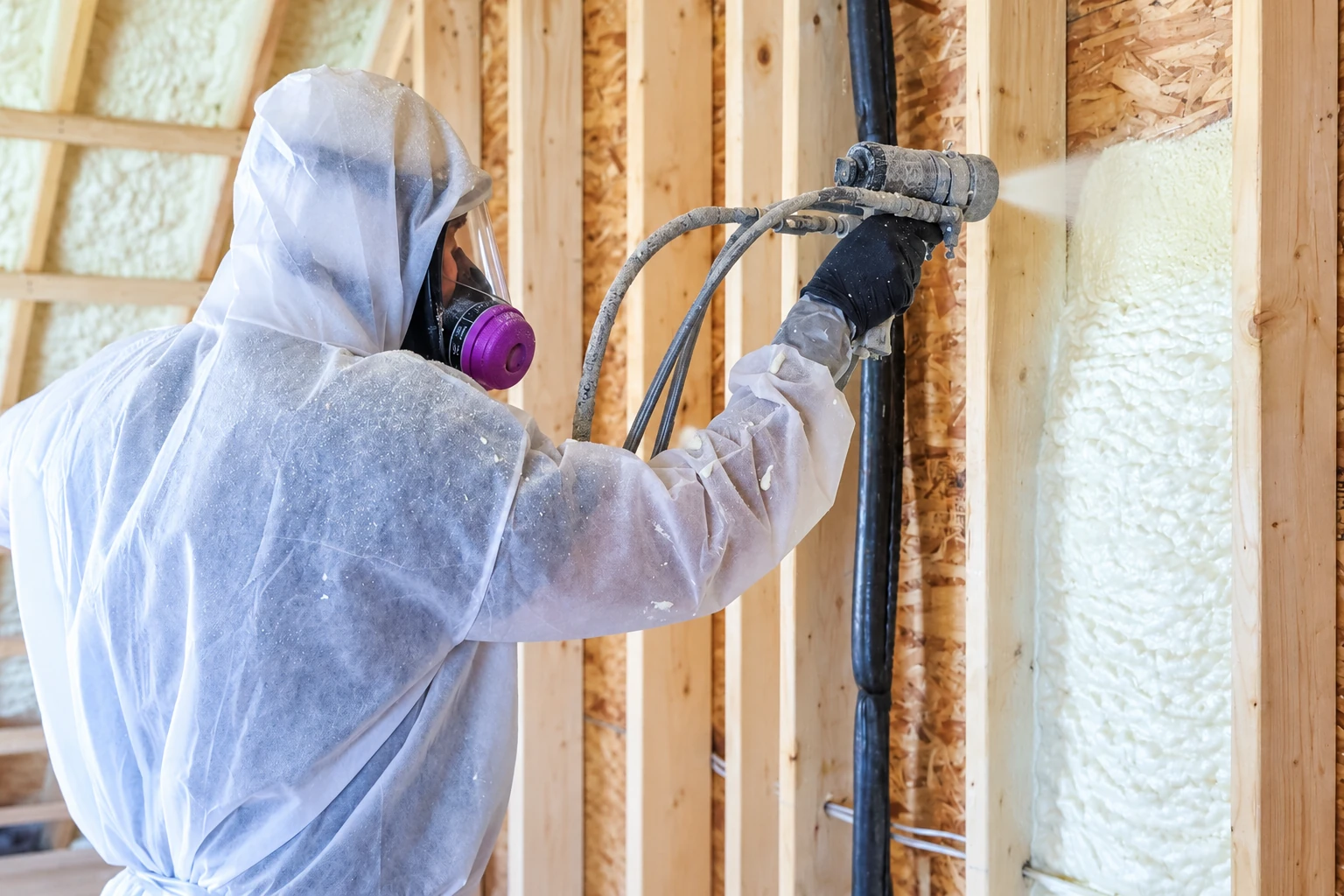
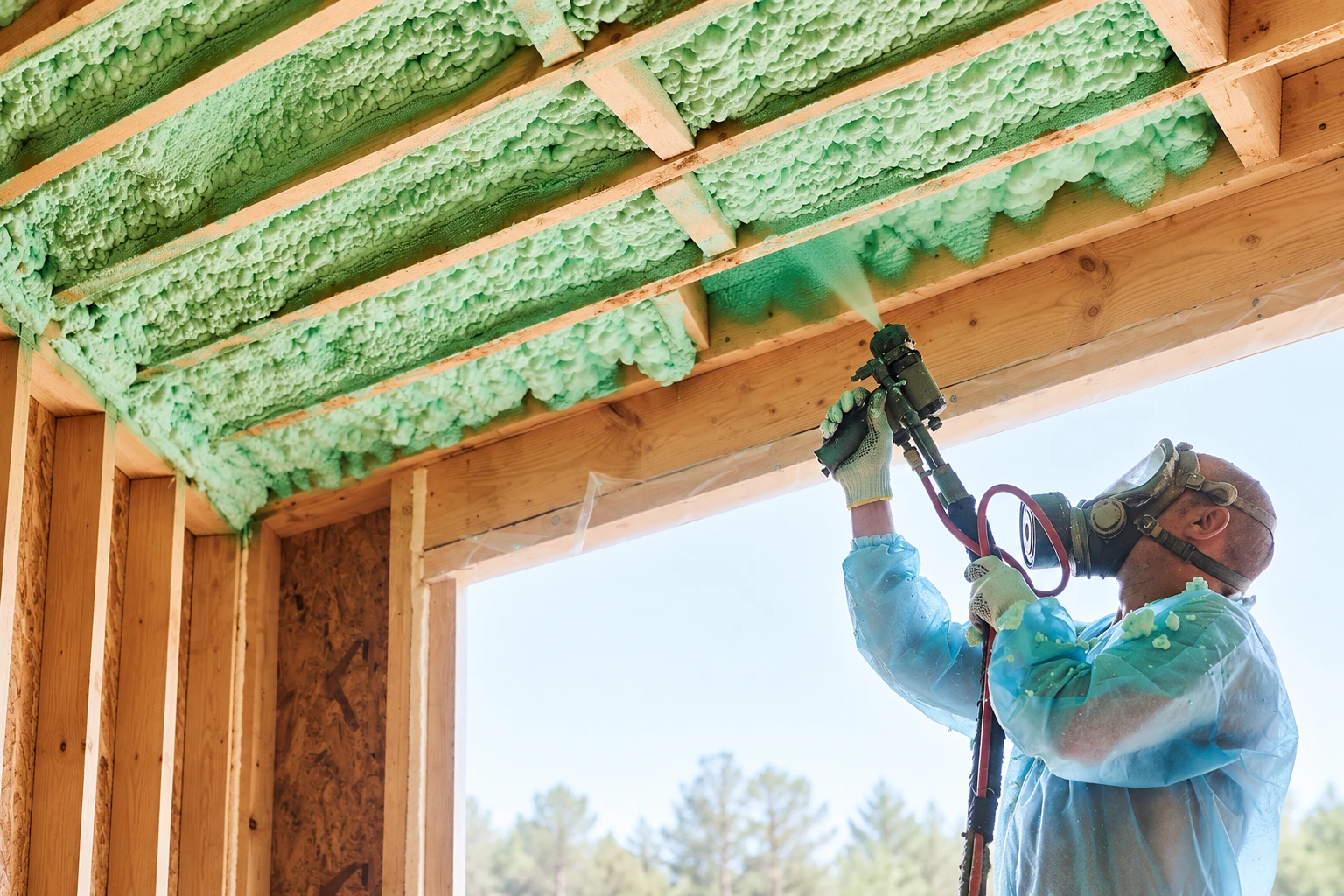
We start with any dampness. Insulation over a wet wall doesn't fix anything, it just hides the water. Once the walls are ready, the method comes from what's there now, starting with whether the walls are bare or already finished. Bare concrete can take rigid foam board or spray foam applied right to the wall, or a framed wall filled with batts or blown-in insulation, which is loose fill sent through a hose, then covered with drywall. Foam board only controls moisture when it's stuck tight to the concrete with no air gaps and every seam and edge sealed. Batts and cellulose shouldn't touch the foundation wall at all, so if you pick a framed wall, ask any crew how they'll keep the batts off it, us included. Two safety steps are part of the job too. If your water heater or furnace is natural draft, venting by rising hot air instead of a fan, the job includes a combustion safety test so a tighter basement doesn't send exhaust back into the room. Any foam that isn't fire-rated and stays exposed gets covered with a fire-resistant layer such as drywall.
On bare walls, spray foam is often where people land, and the two kinds behave differently. Closed-cell foam is dense and blocks moisture as well as air, while open-cell foam is softer and lighter and stops air but not moisture, which is why one cost guide calls closed-cell the better fit for a basement. I'll tell you which one your walls call for, and when plain foam board makes more sense than either.
Get a basement insulation estimate from the person who checks the work
Send the form and we'll reply within one business day to set up a visit. I come out myself, look at the walls and anything down there that burns gas, and give you a free estimate at your home with no obligation.
Basement insulation questions from Bakersfield owners
How much does basement insulation cost in Bakersfield?
Installed basement insulation usually runs about $1.20 to $2.90 per square foot across the US, and that's the national going rate, not our price. Where a job lands in that range comes down mostly to the size of the basement and the type of insulation, and any moisture repairs are separate. Our work is satisfaction guaranteed, and the estimate gives you the figure for your basement.
What is the best way to insulate finished basement walls?
The usual way is to drill small holes and blow insulation into the wall framing, so the drywall stays where it is. It's still worth checking for dampness first, because a finished wall is good at hiding it.
What should I do if my basement is damp before insulating it?
Fix the dampness before any insulation goes up, because insulation can trap water in the wall and make the problem worse. When I come out, I look for water coming in, moisture and pest damage, and the basement should also be checked for asbestos and lead paint before work starts. You get a plain list of what needs fixing first, and we don't insulate until it's done.
Do I need a permit to insulate my basement in Bakersfield?
Ask the city's Development Services Department, because it issues Bakersfield's building permits and its permit list names interior finishing but not basement insulation by name. We check whether your address falls under the city or the county, and if the job needs a permit, we handle the paperwork and the inspection.
How do I know if an insulation contractor is licensed in California?
Ask for their license and check it with the state licensing board, looking for the C-2 insulation classification, which covers contractors who install insulation. We're licensed and fully insured.
What kind of paint can you use on insulated basement walls?
Skip plastic sheeting, vinyl or foil wallpaper, and epoxy, oil or alkyd paint on the inside of basement walls, because they trap moisture in the wall. Pick a finish that lets the wall dry, and if you're not sure which that is, ask me at the estimate.
Foam options for basement walls
Closed-cell foam insulation
Worth a look if your basement walls are bare concrete and you want one layer that handles both air and moisture.
Open-cell foam insulation
A lighter foam for dry parts of the house where stopping air leaks is the main goal.
Get your basement looked at before the drywall
Call (661) 377-0037 or send the form while the walls are still bare, since bare concrete keeps every method open and finished walls narrow it to blowing insulation in.